828-683-5400

171 Weaverville Rd, Asheville, nc 28804
contact us
Imagine, you live on a mountain, surrounded by dense vegetation, peaceful streams, and naturally occurring springs - everything you need to live in harmony with nature at your fingertips - a sustainable oasis, if you will. Sounds ideal, doesn't it? It's an ancient idea, utilizing a natural spring as a drinkable water source. However, it's important to understand what it looks like in today's world, especially when it comes to water quality. Spring water is classified as surface water, which means minute-by-minute, second-by-second, the water quality can change. You can have your spring water test negative for bacteria, only to have it test positive moments later.
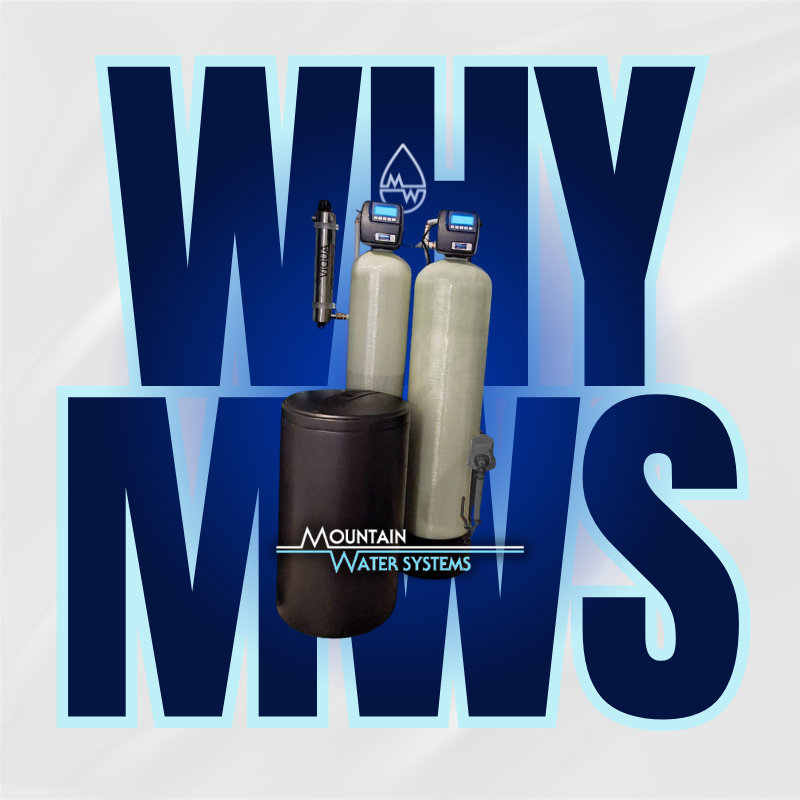
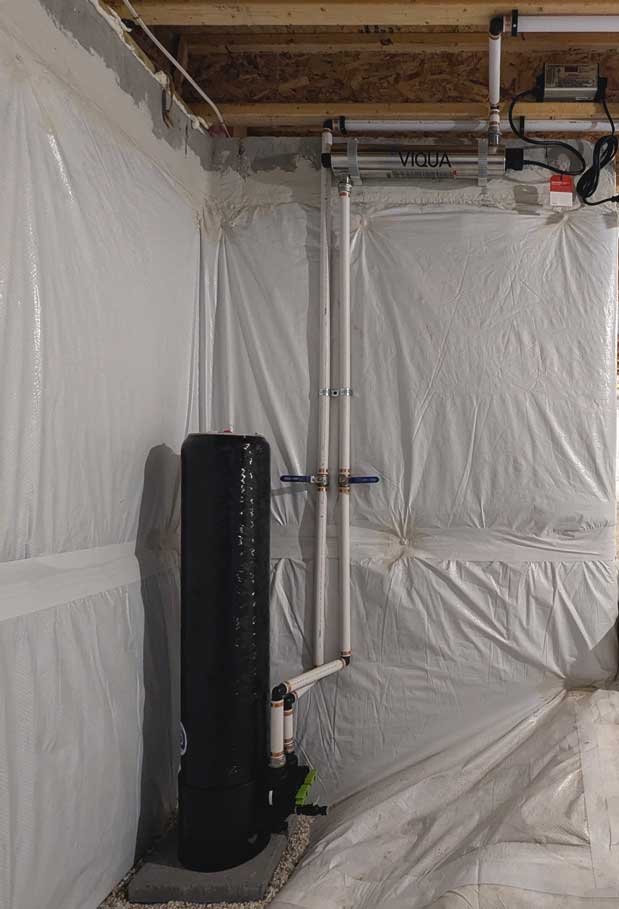
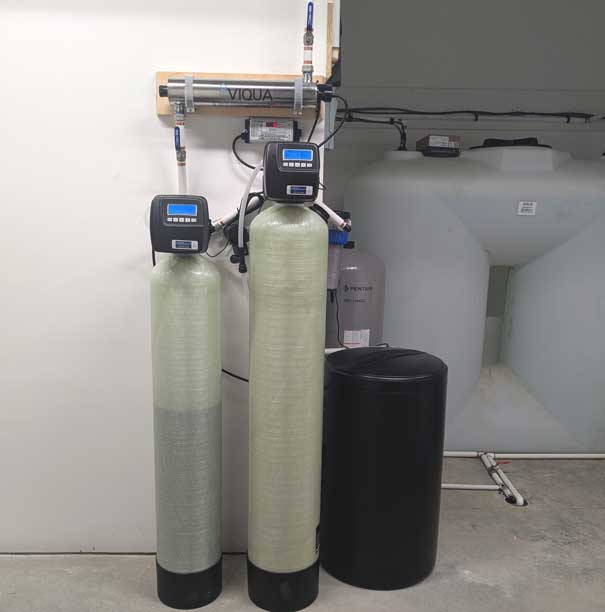
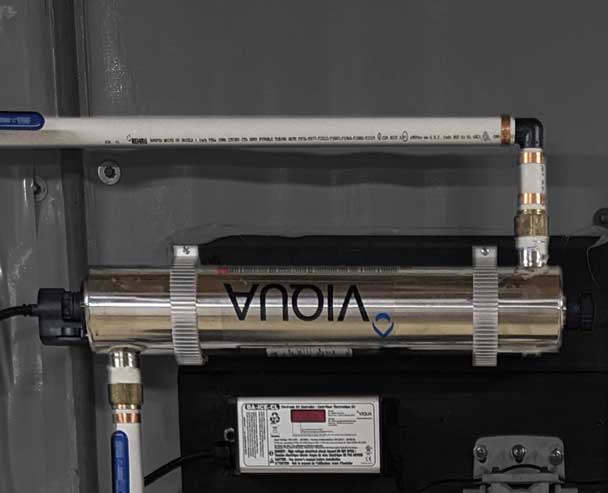
It's a common misconception that if you can see the water come out of the ground, then it is free of harmful contaminants. In reality, that spring most likely pops up on the surface multiple times prior to making it to where you are. Because of that high risk for harmful bacteria, we don't recommend using a spring as a source of household water — but if you choose to use one, we always recommend a UV Light be installed. Just keep in mind that heavy rains can discolor the water, which can prevent the UV light from being effective.
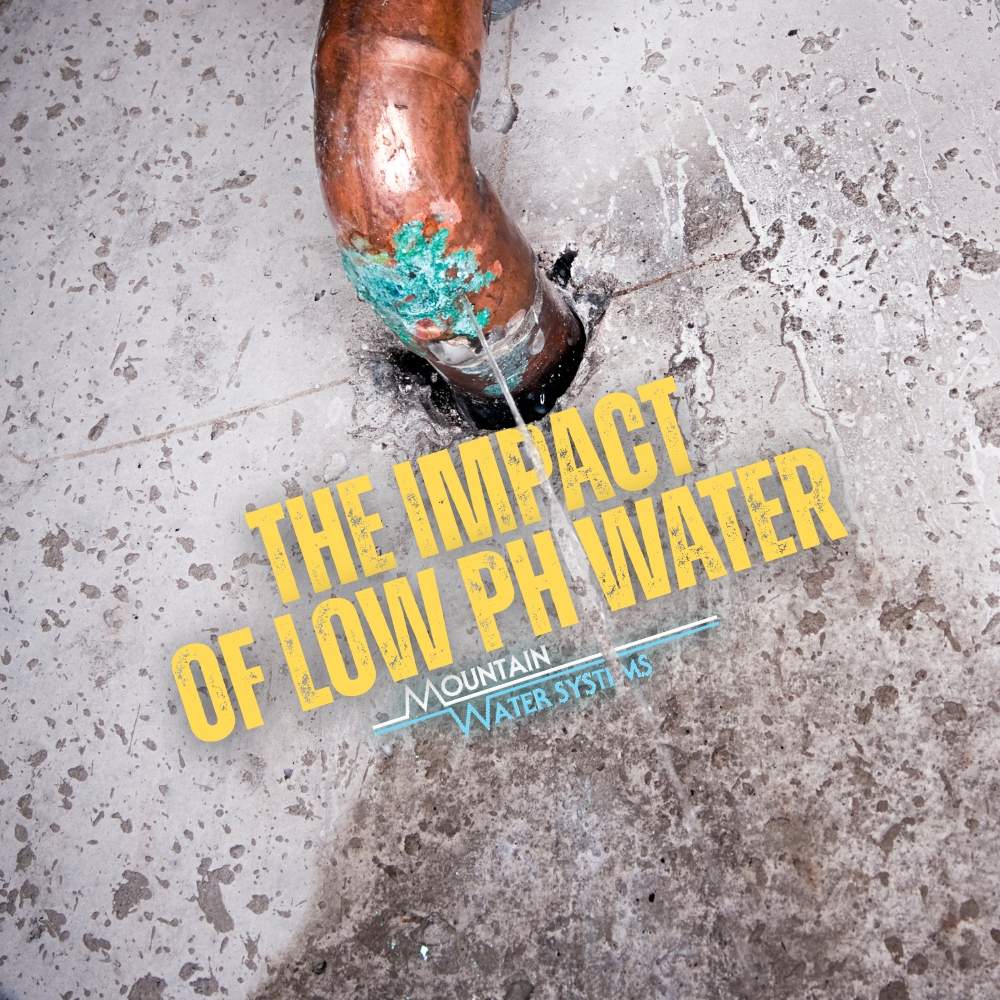
Then there's the pH. Spring water typically tends to be naturally acidic (low pH), which makes it corrosive—potentially causing real damage to your metal fixtures, plumbing, and appliances.
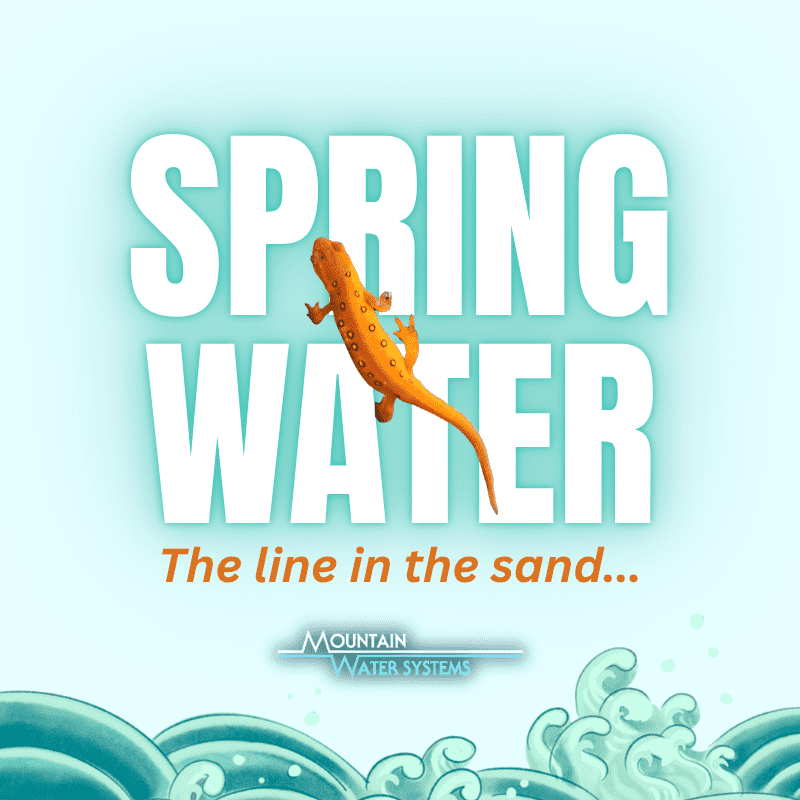
And here’s the really wild part: we see all kinds of critters find their way into these systems, including salamanders (as seen here)!

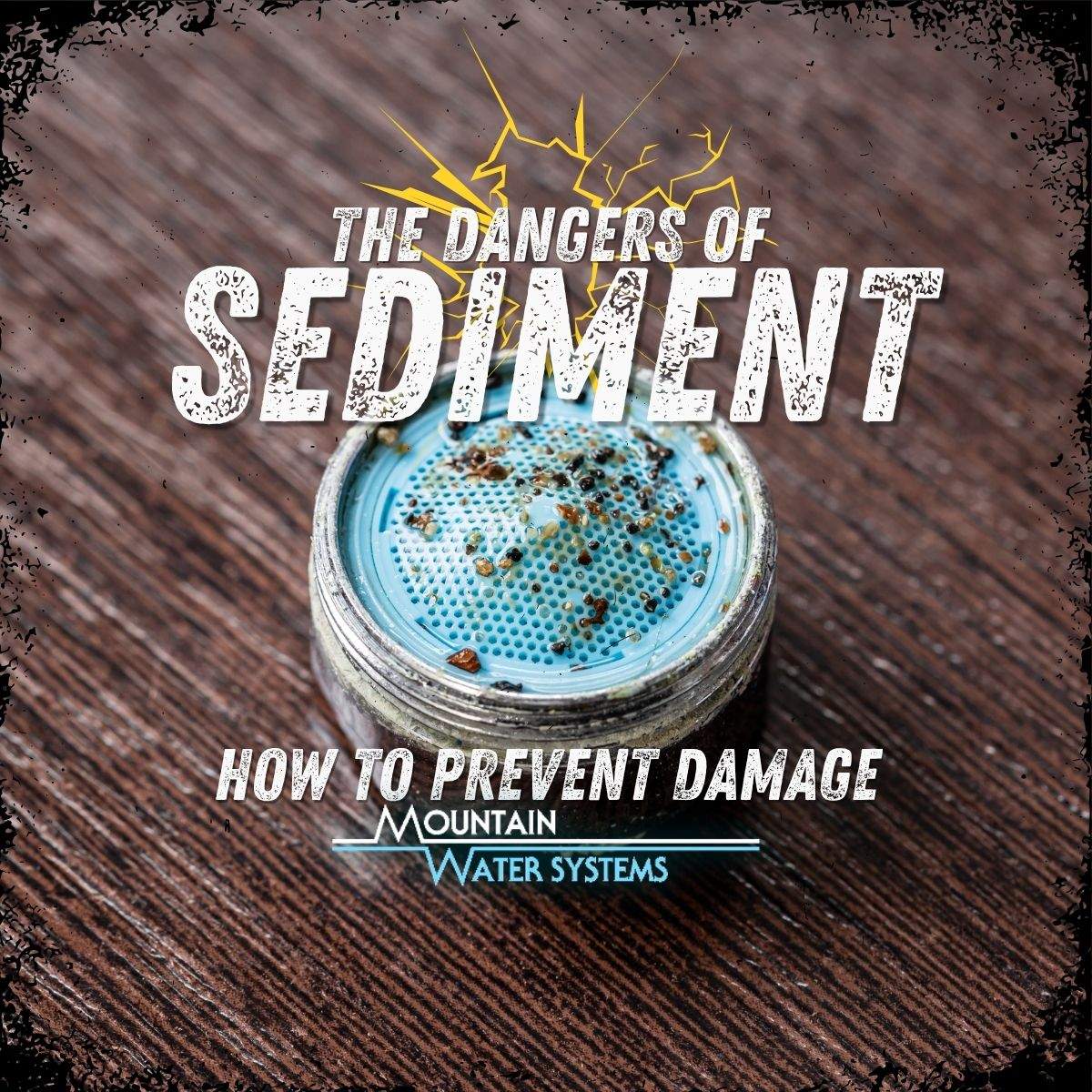
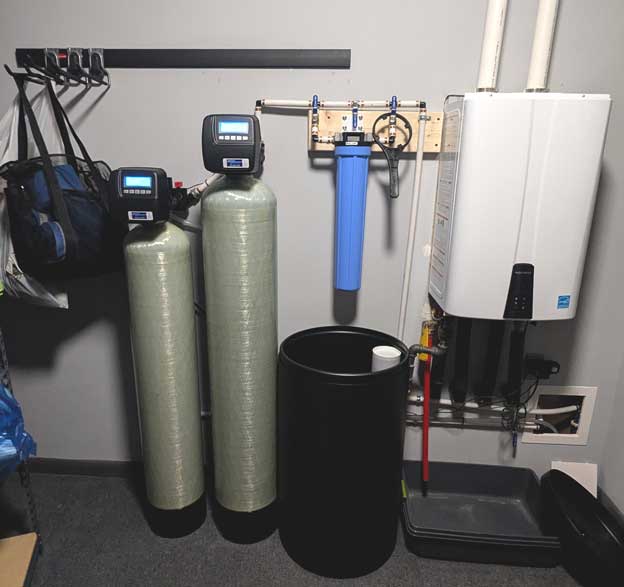
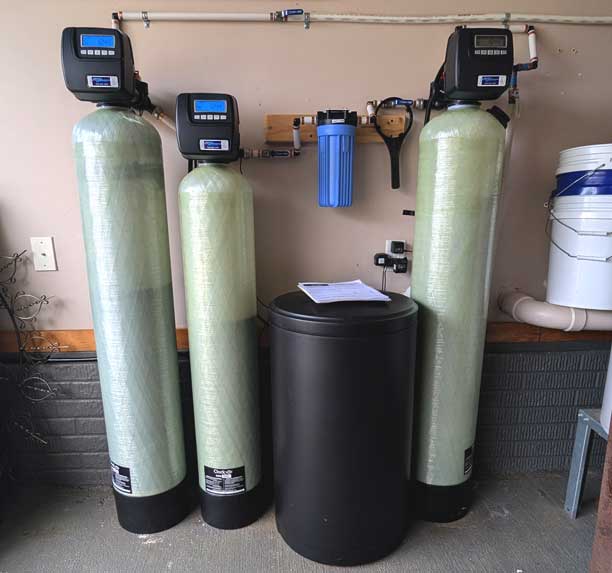
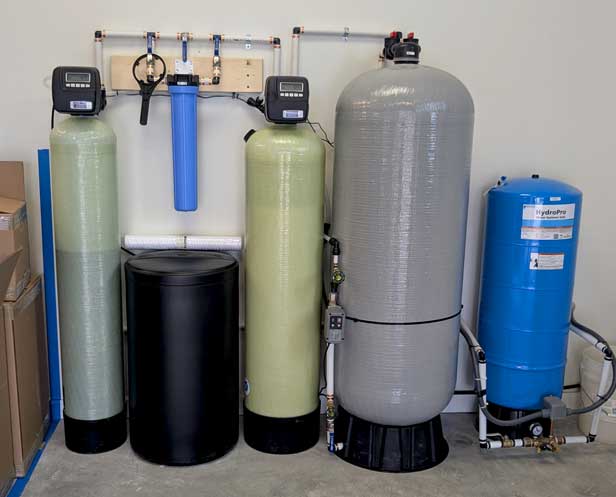
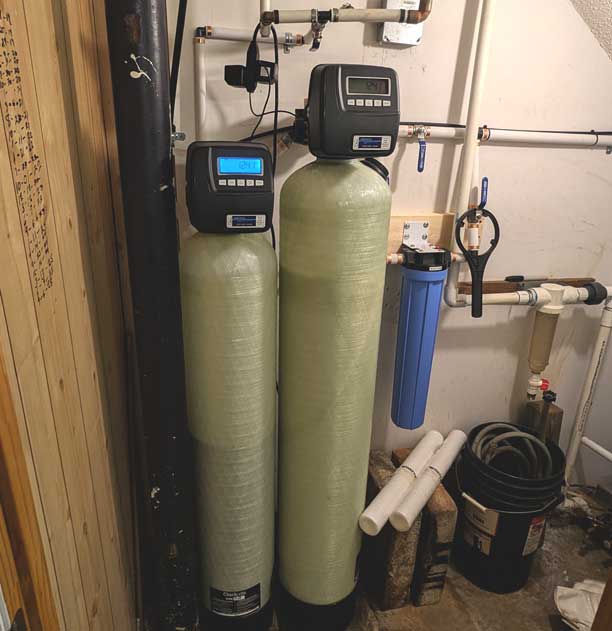
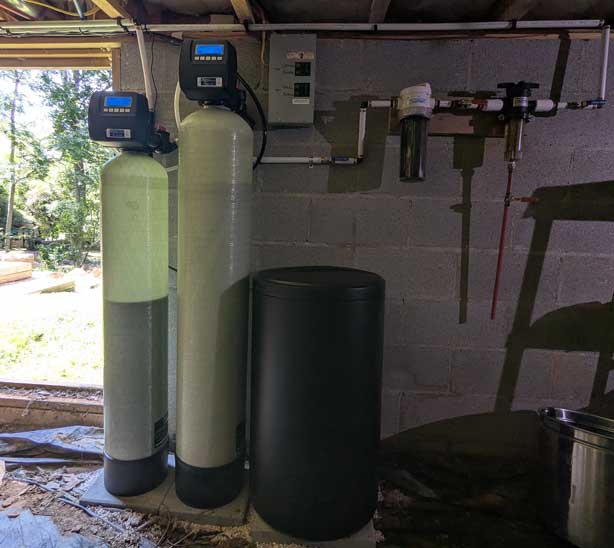
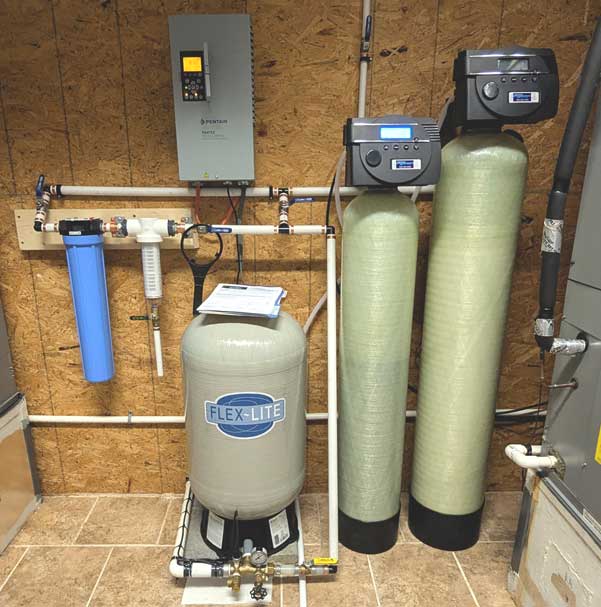
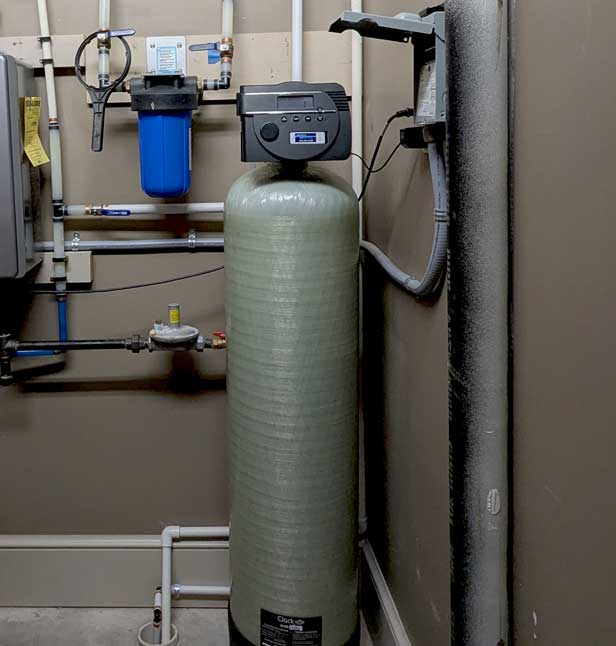
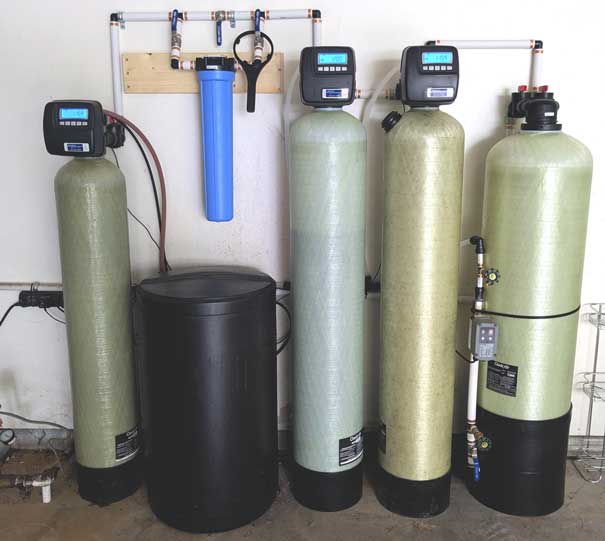
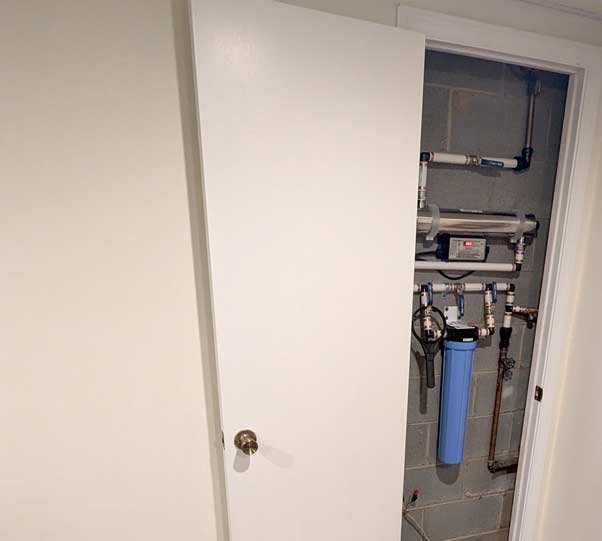
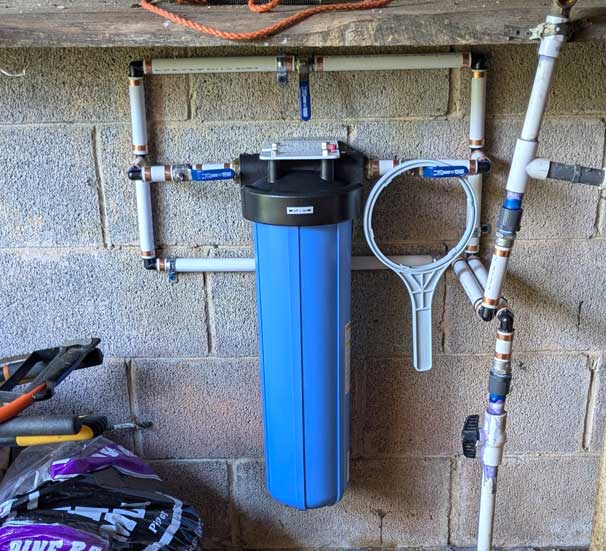
With every UV Light, a canister filter is required by the manufacturer to be installed, especially on spring water, to address particulates (and critters).
If you or someone you know is considering spring water as a drinkable water source, feel free to bring us a water sample (see collection instructions here) and we'll test it for free! We want you to be confident in the water you drink, no matter its source, and we're here to help!