828-683-5400

171 Weaverville Rd, Asheville, nc 28804
contact us
You've probably heard the phrase "hard water," but what is it exactly? Hard water contains calcium and magnesium, which are hard minerals in the water that have the tendency to deposit, particularly where water is heated. We measure hardness in grains per gallon (GPG), with 0-1gpg being considered soft water and 1-3.5gpg slightly hard, 3.5-7gpg moderately hard, 7-10.5gpg hard, and +10.5gpg being very hard. Hard and soft water have different qualities, some noticeable and some unnoticeable. Oftentimes, it depends on how hard or soft the water actually is.
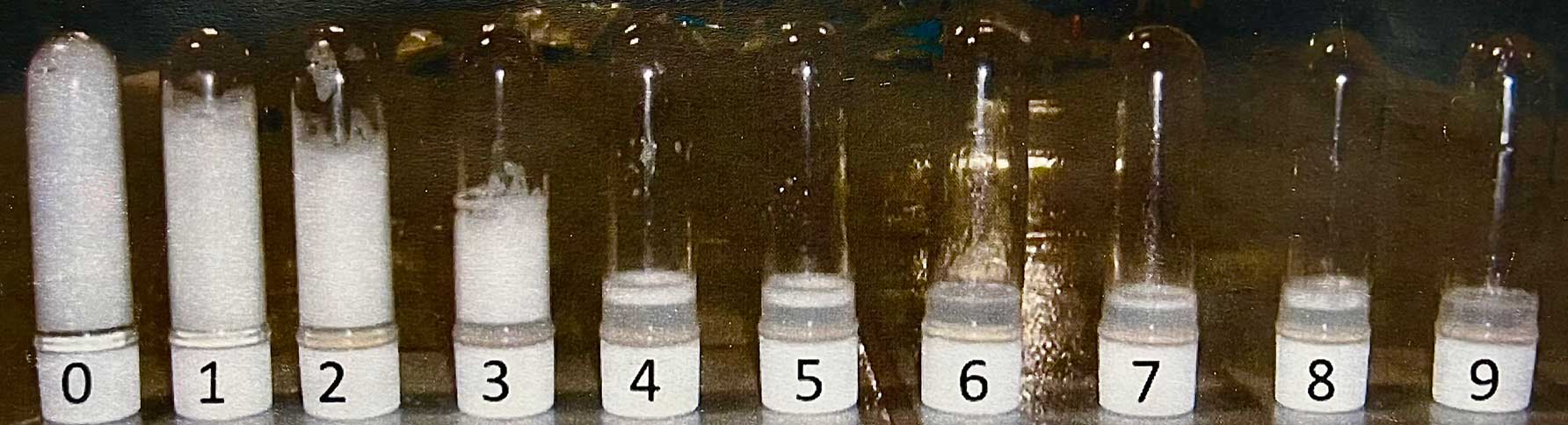
One characteristic that varies by hardness level is soap suds formation. The softer the water, the more suds form when lathering soap. The harder the water, the less suds form (see image below). People who wash with hard water experience the "squeaky-clean" effect, which is caused by soap scum left over on the skin. Truly clean damp skin and objects will feel silky smooth or slick. As such, when people describe washing in soft water, they sometimes feel like they can't get the soap to rinse off but, in reality, it's the only time their skin is truly clean and clear of the soap scum they have come to perceive as clean feeling.
Customers who are used to soft water can normally tell the difference between truly soft water and even a grain of hardness. It is common in WNC for city water to have a very small amount of hardness and we have customers on city water that elect to install a water softener to remove what little hardness is present. We also have several customers that do not like the slick feeling that the water softener may leave after showering, so they elect to install a blending valve on their water softener. By doing so, we can adjust how much hardness is allowed to enter the softened water.
The most common effect of having calcium and magnesium in water is mineral deposits and/or buildup. These white minerals deposit in pipes, aerators, water heaters, tea kettles, on showerheads, faucets, toilets, etc. and are prone to be stained by other contaminants in the water. If you have any concerns about hardness in your water (or not), feel free to bring us a water sample (see collection instructions here) and we will test it in our Asheville office for free. If you have any questions, please contact us, we're here to help!