828-683-5400

171 Weaverville Rd, Asheville, nc 28804
contact us

There has been growing concern over the safety of tap water due in part to the presence of so-called “forever chemicals.” These industrial compounds, known as PFAS (per- and polyfluoroalkyl substances), have been detected in water sources around the world. As research continues to examine their potential health effects, it’s important to understand what PFAS are, how they are regulated, and whether filtration makes sense for your specific water supply.
For homeowners in Western North Carolina, national concerns about PFAS also need to be considered alongside local testing results and regional water conditions.
PFAS are synthetic chemicals used in a wide range of industrial and consumer products because they resist water, oil, and heat. Two of the most well-known and studied PFAS compounds are PFOS and PFOA, although several other compounds are now regulated and thousands of additional PFAS compounds have been identified.
PFAS are often called “forever chemicals” because of the extreme chemical stability of the fluorine bonds in their molecular structure. Under normal environmental conditions, these compounds can persist for hundreds of years or longer, although treatment and destruction technologies have been developed to address them.
Studies have linked certain levels of PFAS exposure to health concerns, including reproductive and developmental issues, certain cancers, liver effects, and changes to immune system function. As awareness of these risks has grown, so has the attention given to PFAS in drinking water.
It is also important to keep drinking-water exposure in perspective. People can encounter PFAS through many everyday products and environmental sources, and in Western North Carolina, drinking water is not necessarily the primary source of exposure.
The EPA has been actively studying PFAS as emerging contaminants of concern for more than a decade. Public attention increased significantly after PFAS contamination associated with the Chemours facility near Wilmington, North Carolina, became widely known in 2017.
Since then, regulators and the water-treatment industry have moved quickly to better understand PFAS, improve testing methods, and develop treatment standards. The EPA finalized drinking-water regulations for several PFAS compounds in April 2024, and North Carolina has also continued to strengthen its requirements.
One of the challenges has been accurately testing for PFAS at extremely low concentrations. At these levels, samples can be affected by contamination introduced during collection, which requires laboratories and sampling personnel to follow very strict procedures.
The treatment side has also advanced considerably. In many municipal systems, much of the infrastructure needed to address PFAS is already in place, and treatment may involve using specific types of activated carbon as existing filtration media is replaced. Federal funding is also available to help municipalities make necessary treatment upgrades.
Here in Western North Carolina, local conditions are especially important. Asheville’s PFAS sampling has returned non-detect results for the past three years. The region’s topography and protected watersheds also mean Western North Carolina does not have the same industrial sources of PFAS contamination found in some other areas.
Despite those encouraging results, Asheville is still moving forward with appropriate treatment infrastructure so the water system is prepared to address PFAS if they are detected in the future.
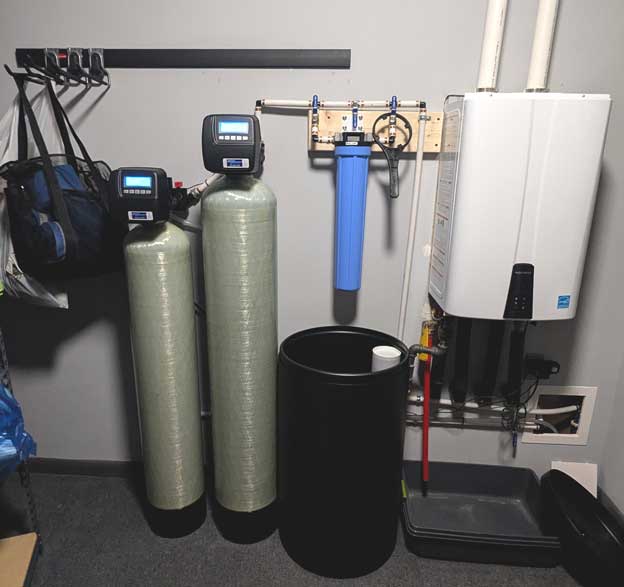
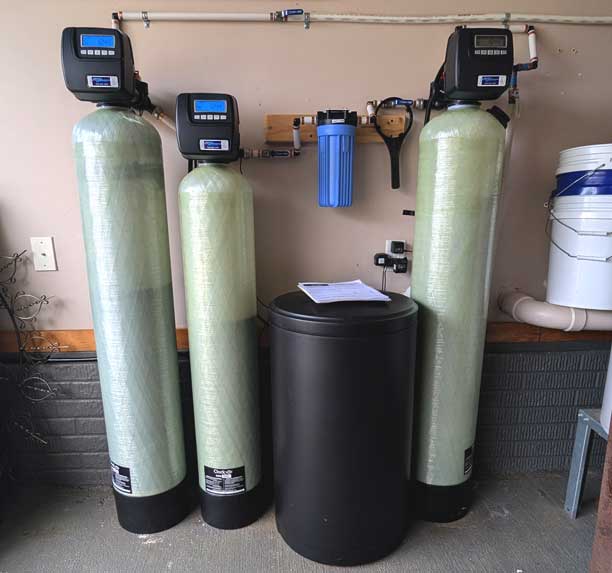
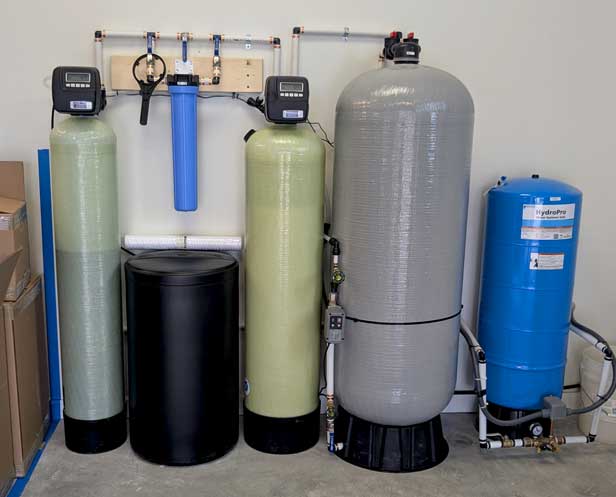
When PFAS are present in a water supply, a properly selected water-filtration system can help reduce exposure. At Mountain Water Systems, two common treatment technologies used for PFAS reduction are reverse osmosis and activated carbon filtration.
Reverse osmosis systems can reduce a wide range of PFAS compounds by forcing water through a microscopic semipermeable membrane that blocks many contaminants while allowing treated water to pass through.
Activated carbon filtration is another established treatment option. Its effectiveness depends on factors including the type of carbon used, filter grade, water flow rate, contact time, and the specific PFAS compounds present.
While no single filtration method can eliminate every contaminant under every condition, properly selected and maintained reverse osmosis and activated carbon systems can be effective options when water testing indicates that treatment is needed.
However, filtration is not automatically necessary simply because PFAS are a concern nationally. For example, recent Asheville City Water testing has shown non-detect results for PFAS. Some homeowners may still choose additional filtration for peace of mind, but that does not necessarily mean the system will produce a measurable improvement in their water quality.
Regardless of the filtration system selected, homeowners should look for independent third-party certification showing that the filter has been tested for the specific contaminant they are trying to address. Product claims alone do not always demonstrate that a filter will provide the intended results.
PFAS are an important water-quality issue, but the level of concern can vary significantly depending on where you live and the source of your water.
The best first step is understanding what is actually present in your water before deciding whether additional treatment is necessary. A filtration system can be a valuable tool when it addresses a specific water-quality concern, but homeowners should not feel pressured to purchase treatment that is unlikely to provide a meaningful benefit.
If you have questions about what is in your tap water, Mountain Water Systems can help you understand your water quality and determine whether testing or filtration makes sense for your home.