828-683-5400

171 Weaverville Rd, Asheville, nc 28804
contact us
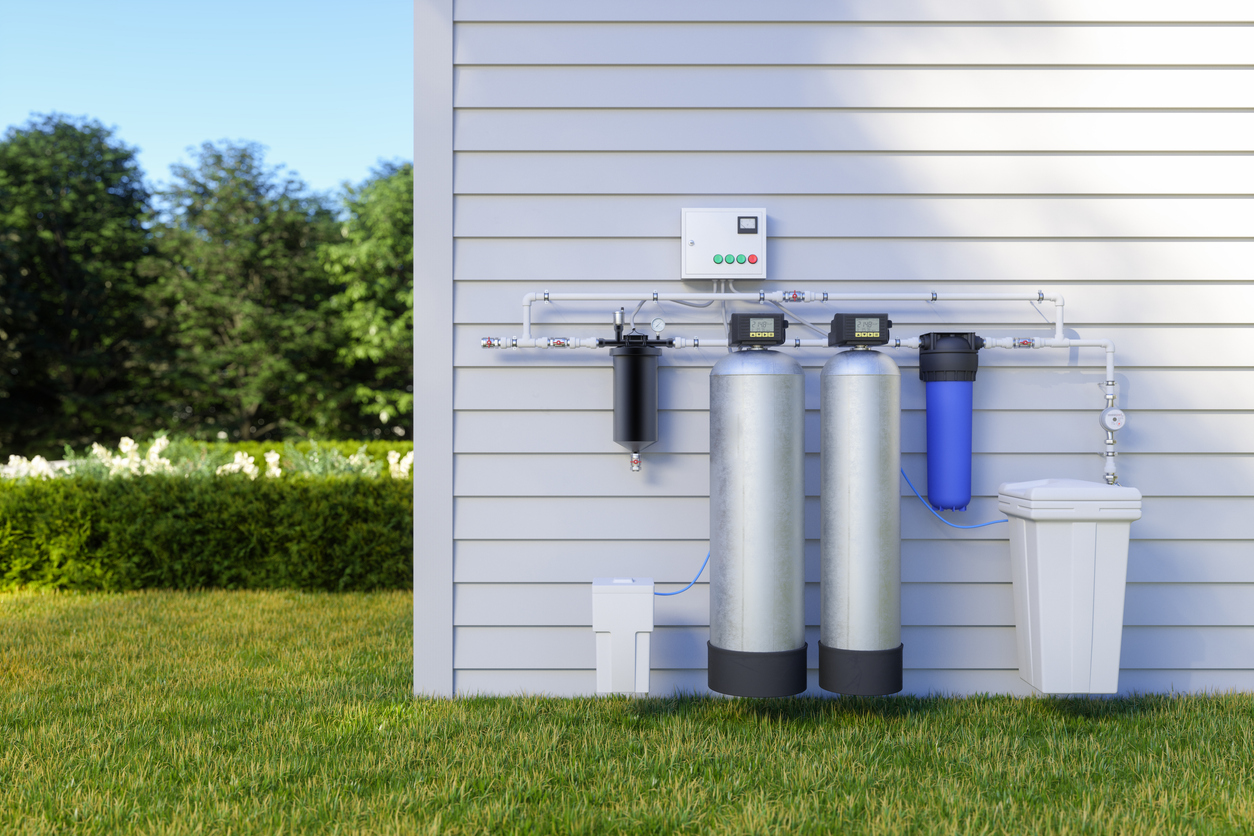
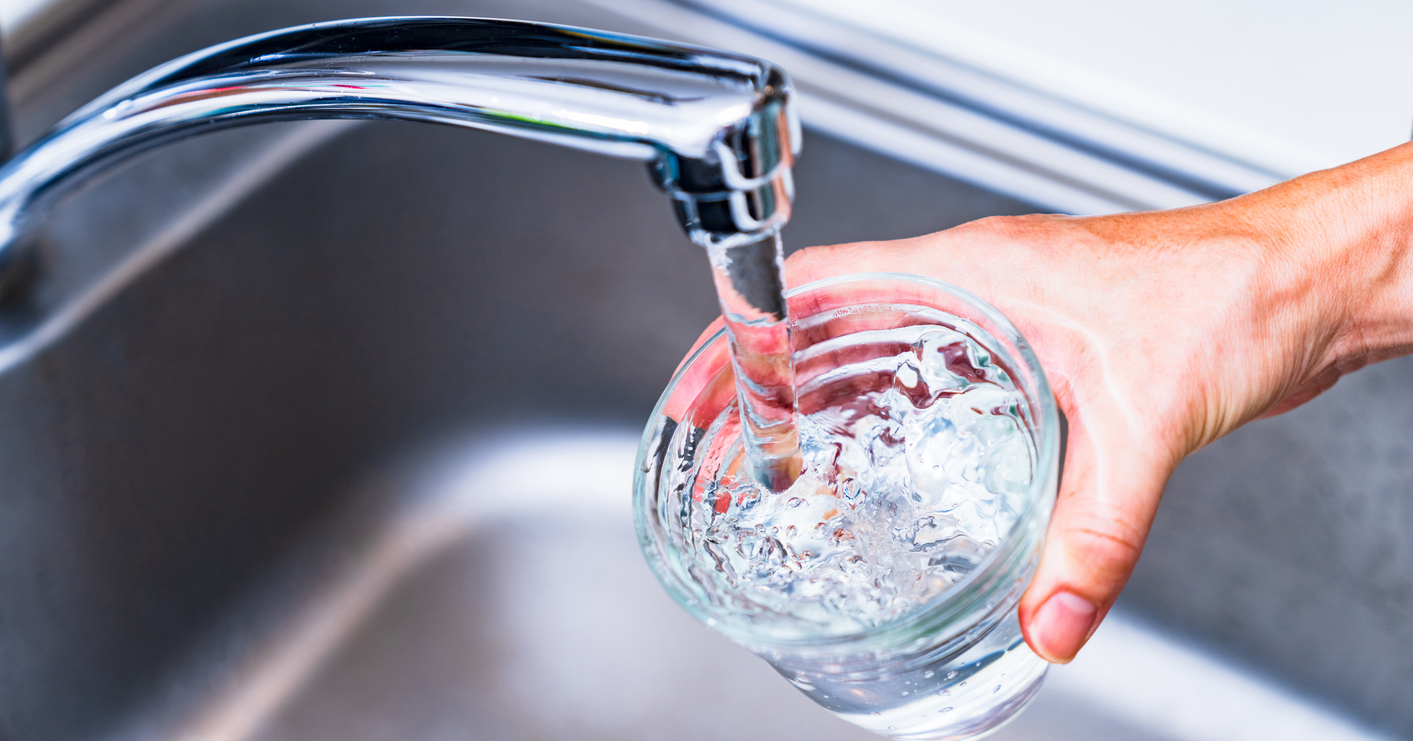
Water quality plays a vital role in everyday health, yet municipal water supplies and private well systems often contain invisible contaminants that affect taste, odor, and safety. Homeowners exploring water purification options frequently encounter various treatment solutions designed to address specific impurities in domestic supply lines. Understanding how different filtration technologies function helps property owners make informed decisions about improving household water quality.
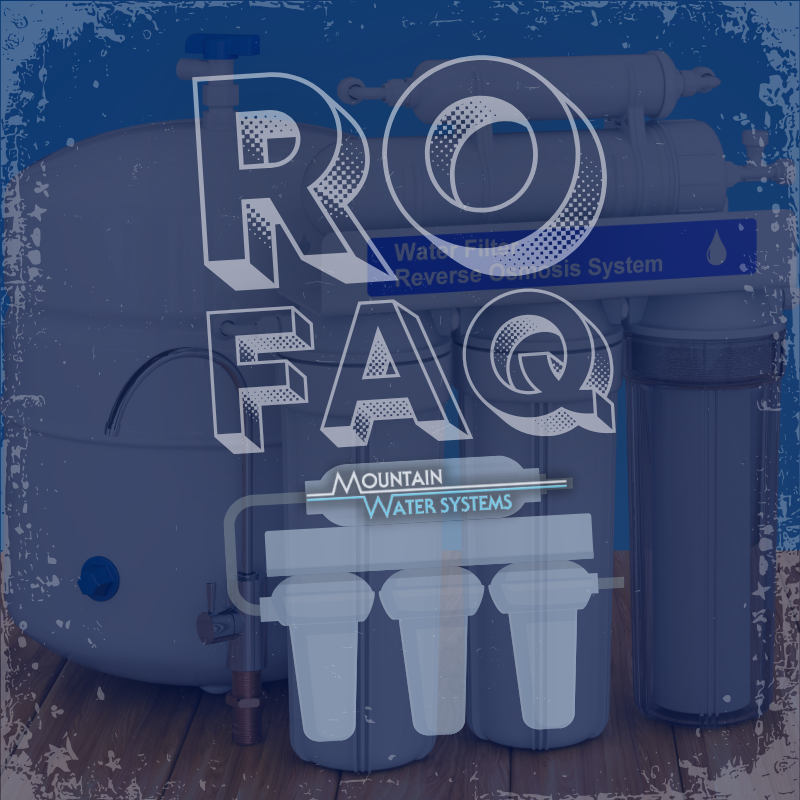
Among the various purification techniques available today, reverse osmosis operates by forcing incoming water under high pressure through a semipermeable membrane. This specialized membrane features microscopic pores that allow pure water molecules to pass through while trapping larger dissolved solids, heavy metals, and unwanted chemical compounds. The purified water is then collected for drinking and cooking, while separated impurities are continuously rinsed away through a drain line.
One primary function of reverse osmosis involves removing inorganic dissolved solids from household drinking water. Elements such as lead, arsenic, copper, chromium, and nitrate frequently leach into supply lines from aging municipal plumbing infrastructure or agricultural runoff. Advanced membrane technology effectively filters out high concentrations of total dissolved solids, significantly reducing potential health risks associated with long-term heavy metal exposure.
In addition to heavy metals, membrane filtration addresses synthetic chemical compounds like chlorine, pesticides, microplastics, and lingering pharmaceutical residues. According to the Centers for Disease Control and Prevention, over 1 million individuals across the United States become sick each year from pathogens found in drinking water supplies. While biological contaminants often require specialized purification strategies, membrane systems significantly lower organic compounds that negatively impact household water safety.
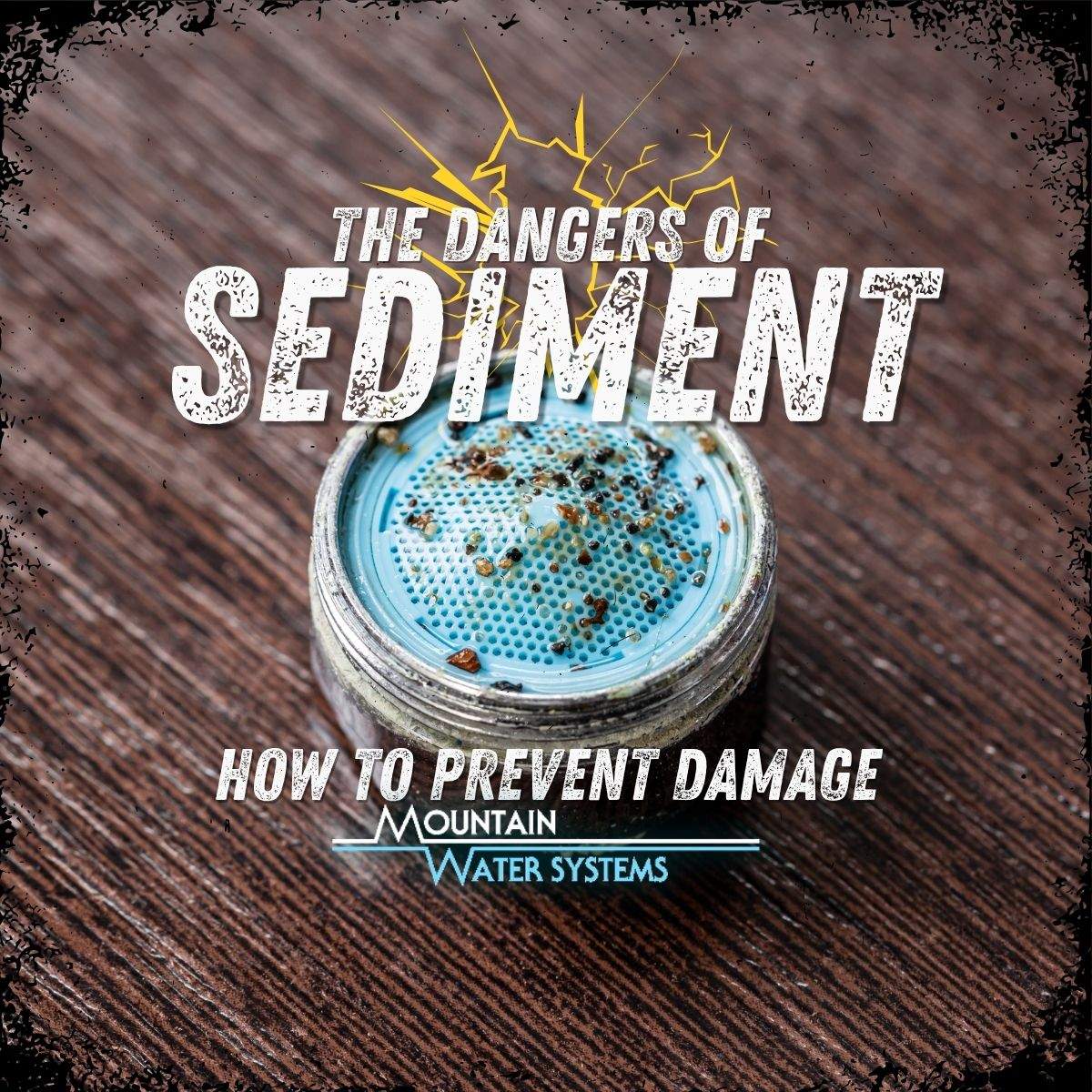
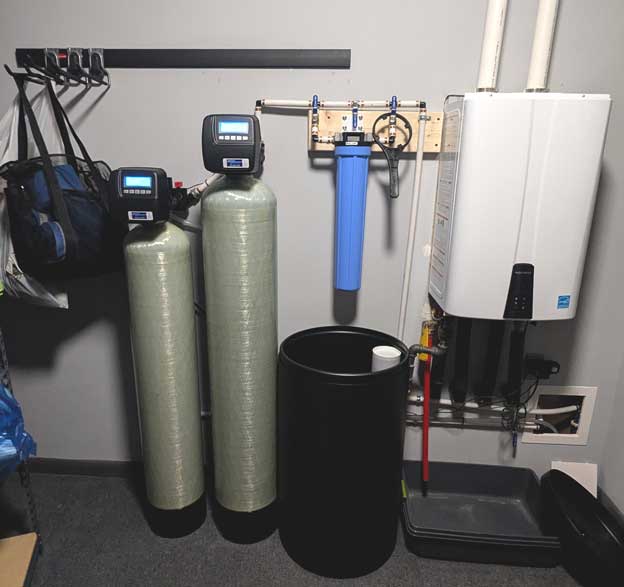
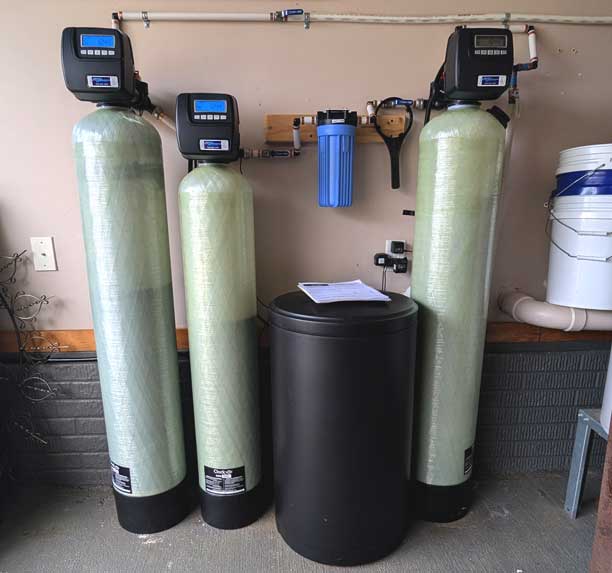
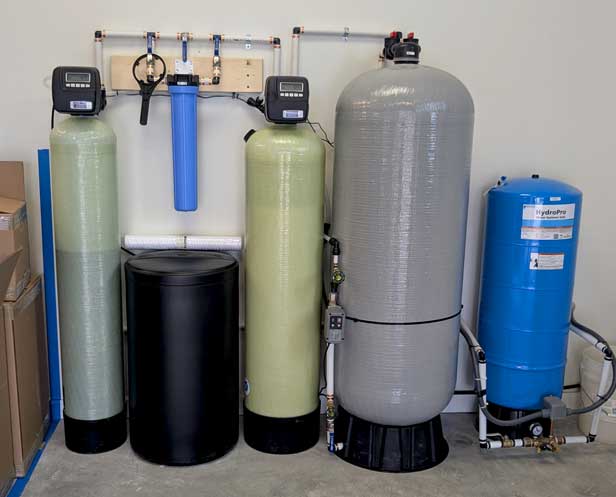
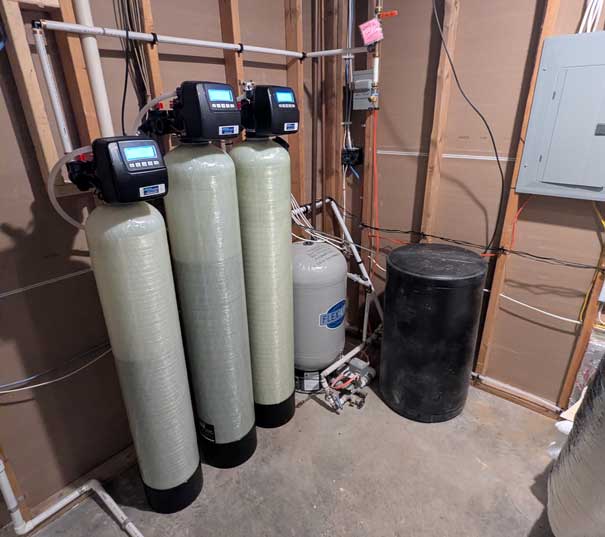
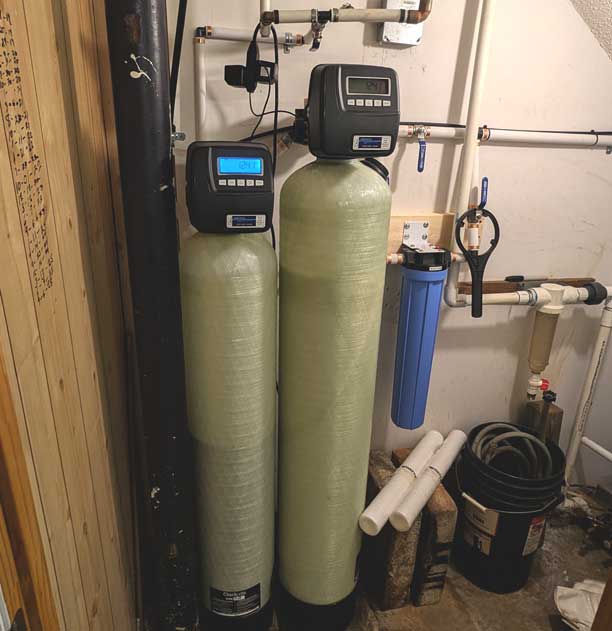
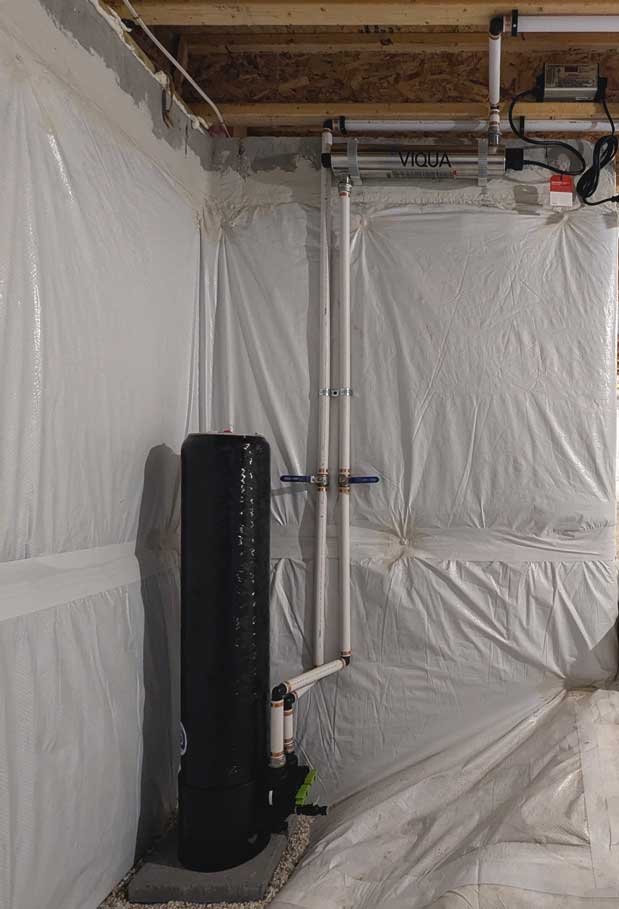
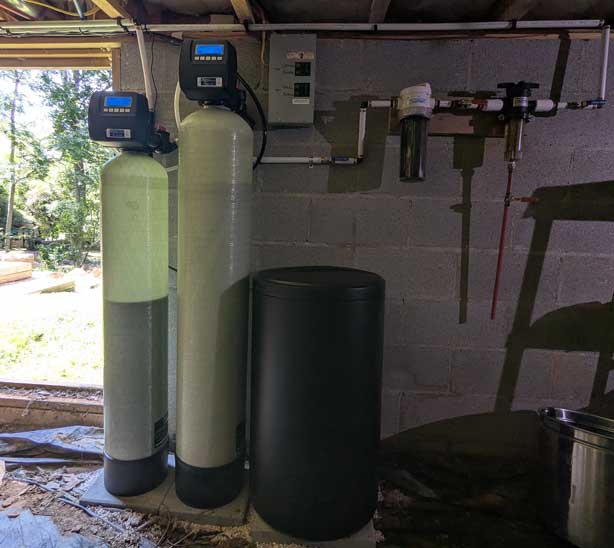
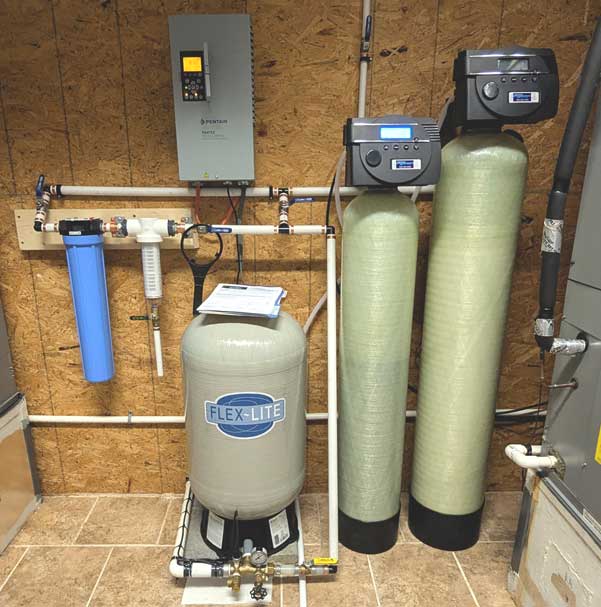
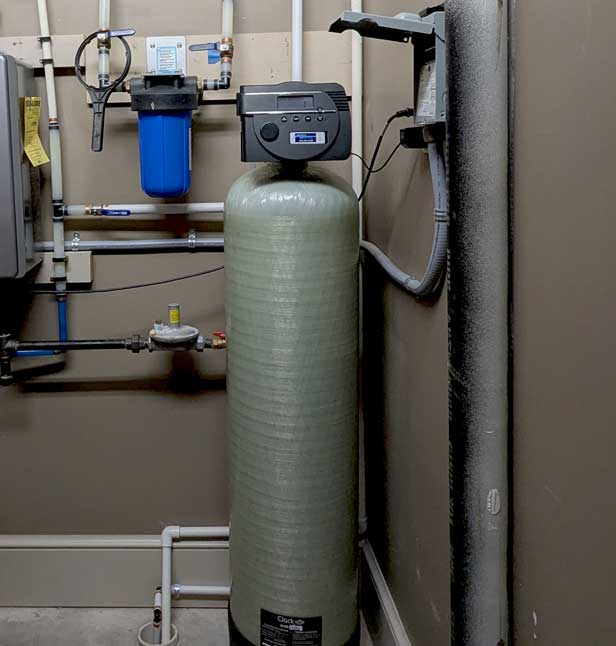
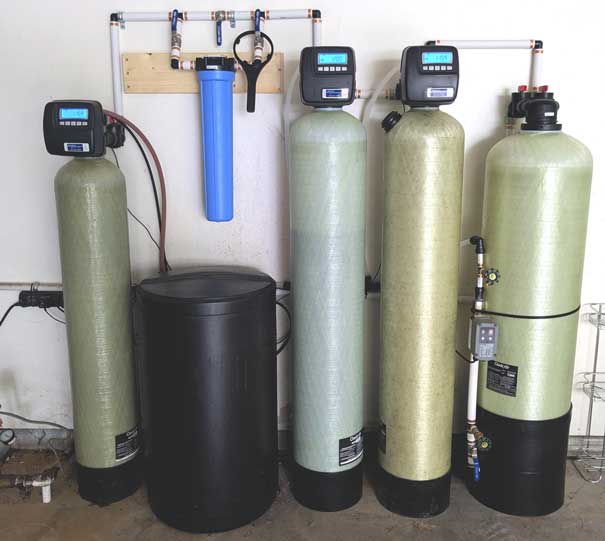
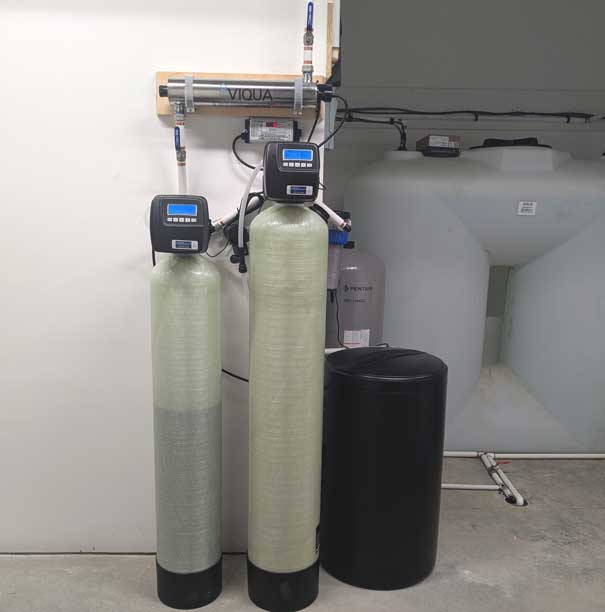
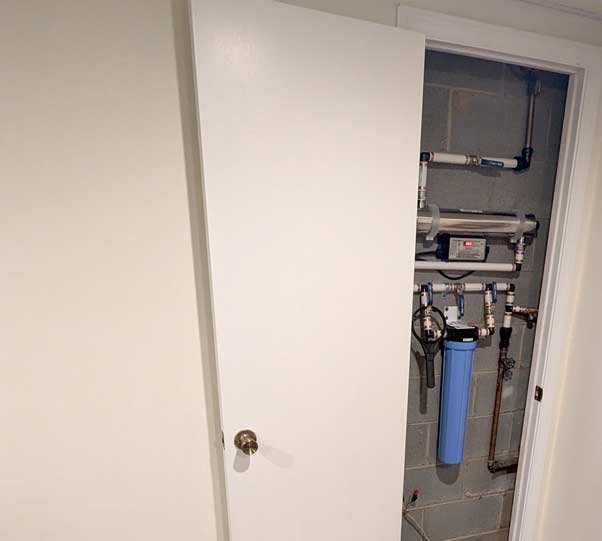
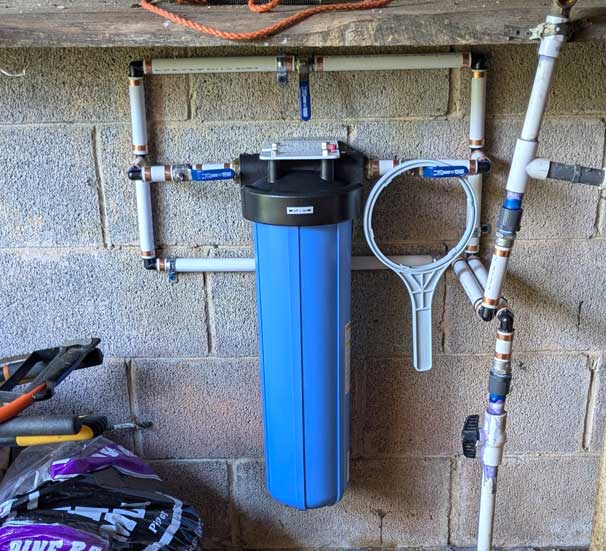
Selecting the appropriate treatment strategy begins with performing professional water quality testing, which identifies key parameters, including hardness, iron, sulfur, pH, sediment, bacteria, TDS, and chlorine levels, to ensure an RO membrane operates efficiently without premature fouling. Depending on specific household needs, property owners often pair reverse osmosis with supporting technologies like softeners, iron filters, sulfur filters, neutralizers, sediment filters, carbon filters, chemical injection, ultrafilters, or UV lights to create a complete purification system. Take advantage of free water testing and a free consultation offered by Mountain Water Systems today for valuable guidance in determining the ideal setup for long-term water quality.